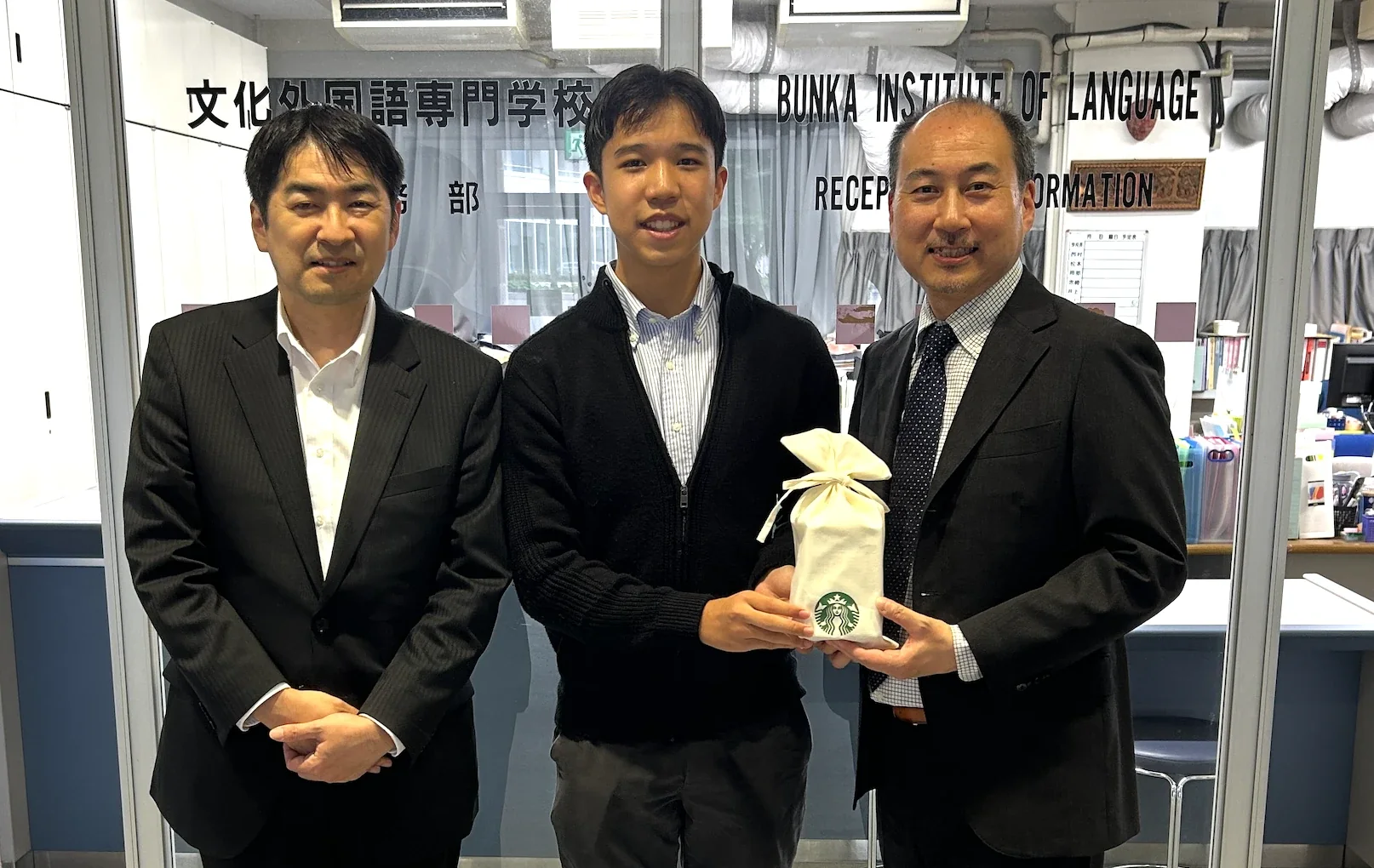
Tokyo, Japan, 11 June 2025 — Nami Japanese Academy had the honour of participating in an academic exchange hosted by the Bunka Institute of Language (BIL), an institution affiliated with Bunka Gakuen University in Tokyo, Japan.
The exchange provided an opportunity for educators from both institutions to share pedagogical insights, examine evolving approaches to Japanese language instruction, and explore how different teaching methodologies can enhance students’ learning experiences.
The visit was particularly meaningful for Nami Japanese Academy, which incorporates textbooks developed by the Bunka Institute of Language into its Japanese language programmes.
Bridging Japanese Language Education Between Singapore and Japan
Representing Nami Japanese Academy was its Principal, Ko Sensei, who engaged with BIL educators in discussions focused on Japanese language pedagogy, curriculum delivery, and effective classroom practices.
The exchange brought together perspectives from two different educational environments: BIL’s experience in Japanese language instruction in Japan and Nami’s experience teaching Japanese to learners in Singapore.
Through discussions on teaching methodologies, educators from both institutions shared their approaches to facilitating language acquisition, engaging students, and supporting learners with different backgrounds and proficiency levels.
The exchange also provided an opportunity to reflect on existing teaching practices and explore how insights from each institution could be incorporated into future curriculum development.
For Nami Japanese Academy, whose teaching philosophy emphasises active communication and practical language proficiency, these discussions offered valuable perspectives on strengthening its educational programmes.
Exploring the Future of Physical and Online Language Education
A key focus of the exchange was a comparative discussion of in-person and online Japanese language instruction.
Educators examined the distinct strengths and challenges of both learning environments, considering how different instructional settings influence student engagement, classroom interaction, and the delivery of language education.
The discussion was especially relevant to Nami Japanese Academy’s teaching model, which seeks to provide accessible and personalised Japanese language instruction while maintaining high standards of educational quality.
By exchanging experiences and perspectives, both institutions explored opportunities to incorporate effective practices across physical and digital learning environments.
Strengthening Educational Ties with Japan
The visit concluded with a guided tour of the Bunka Institute of Language’s campus, graciously hosted by BIL’s educators.
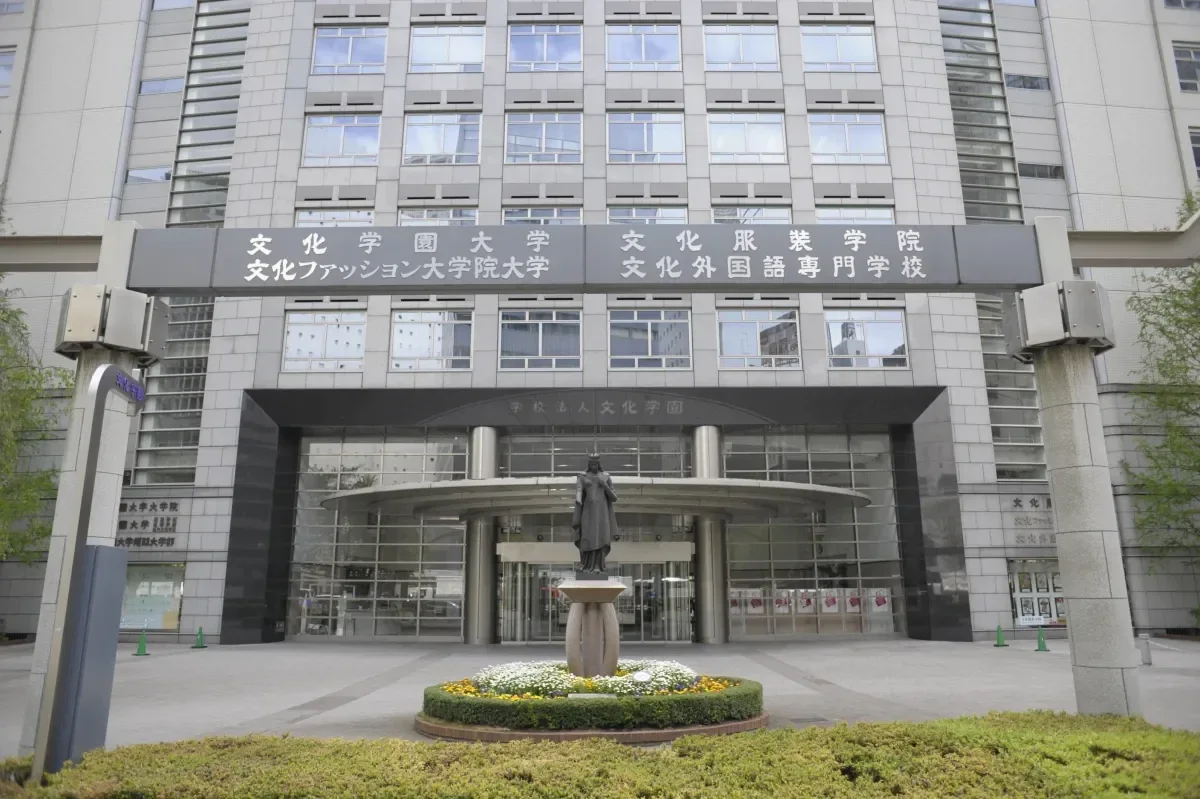
The tour offered Nami Japanese Academy an opportunity to experience the institution’s academic environment firsthand and gain a deeper appreciation of its educational culture.
Beyond the exchange of teaching methodologies, the visit underscored the value of international dialogue in advancing Japanese language education.
As a Singapore-based Japanese language academy, Nami recognises the importance of maintaining meaningful connections with educational institutions in Japan to continually refine its curriculum and teaching practices.
Looking Ahead
The academic exchange represents an important milestone in Nami Japanese Academy’s continued efforts to strengthen its teaching standards through international engagement and professional learning.
Building on the perspectives shared during the visit, Nami looks forward to exploring opportunities for continued dialogue, knowledge exchange, and future collaboration with the Bunka Institute of Language.
Nami Japanese Academy extends its sincere appreciation to the educators and staff of BIL for their warm hospitality, thoughtful discussions, and generous sharing of expertise.
Through exchanges such as these, Nami remains committed to bridging Japanese language education between Singapore and Japan, bringing valuable pedagogical insights into the classroom and enriching the learning experiences of its students.